BPA Free Feeding Bottles
BPA free feeding bottle means that a product does not contain Bisphenol A (BPA) — a chemical often used in making certain plastics and resins.
🧪 What is BPA?
BPA (Bisphenol A) is a chemical used in producing:
- Polycarbonate plastics (clear, hard plastics)
- Epoxy resins (used in food and drink can linings)
It’s been used since the 1960s in products like:
- Water bottles
- Baby bottles
- Food containers
- Canned food linings
⚠️ Why is BPA a Concern?
BPA can leach into food or drinks, especially when the container is:
- Heated
- Scratched
- Washed with harsh detergents
Studies suggest BPA may:
- Mimic estrogen (a hormone)
- Affect the brain and behavior of infants and children
- Disrupt hormones (endocrine system)
- Possibly increase the risk of certain cancers and fertility problems
Because of these risks, many countries have banned or restricted BPA in products made for infants and young children.
✅ What Does “BPA Free Feeding Bottle” Mean?
“BPA-free” means the product is made without Bisphenol A. Manufacturers now use alternative materials like:
- Polypropylene (PP)
- Tritan plastic
- Silicone
- Glass
- Stainless steel
These are considered safer choices, especially for items like:
- Baby bottles
- Sippy cups
- Water bottles
- Food storage containers
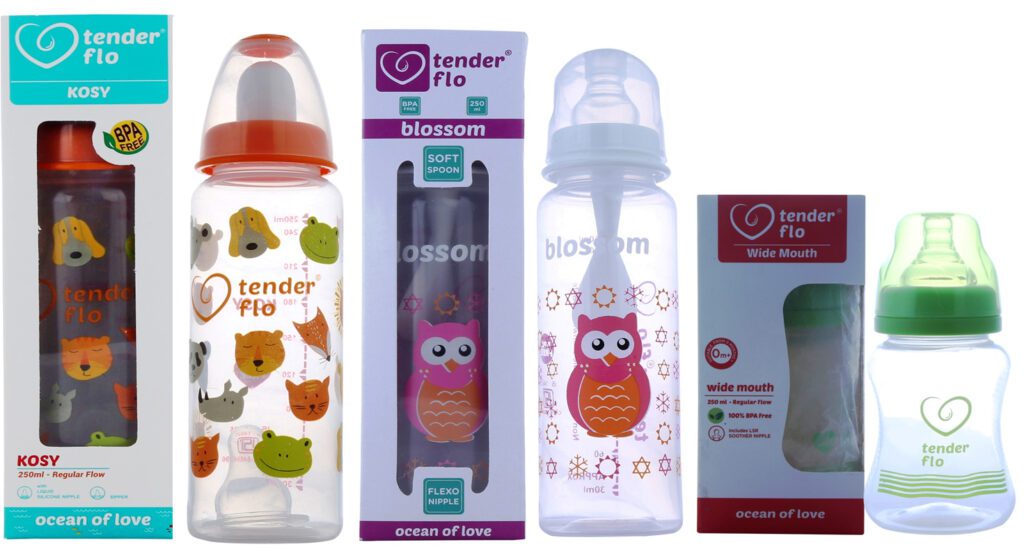
BPA-free feeding bottles are baby bottles made without Bisphenol A (BPA)—a chemical previously used in plastics that can potentially leach into liquids and cause health concerns, especially for infants. Many health organizations, including the FDA and WHO, recommend avoiding BPA in baby products.
✅ Key Points About BPA-Free Feeding Bottles:
1. Safer for Babies:
BPA is an endocrine disruptor that may interfere with hormone levels and brain development in infants and children. BPA Free Feeding Bottles reduce this risk.
2. Materials Used:
- Polypropylene (PP): Durable, lightweight plastic, BPA Free Feeding Bottles by default.
- Silicone: Soft and flexible, often used in nipples and squeezable bottles.
- Glass: Naturally BPA Free Feeding Bottles, durable, but heavier and breakable.
- Stainless Steel: BPA Free Feeding Bottles and durable, but more expensive.
3. Labels to Look For:
- “BPA Free Feeding Bottles”
- “Non-toxic”
- “Made without BPA, phthalates, or PVC”
👶 Tips for Choosing:
- Choose wide-neck bottles for easier cleaning.
- Anti-colic designs (like vents or valves) can help reduce gas and fussiness.
- Consider nipple shape and flow rate to match your baby’s age and feeding preference.
- Always sterilize new bottles before use.